What Extra Costs Should I Plan for When Buying a Home in 100 Mile House?
When people think about buying a home, the purchase price usually gets all the attention — but there are a few extra costs that come along with it. None of them are surprises when you know what to expect, and planning ahead makes the whole process much smoother.
Here’s a breakdown of common costs buyers in 100 Mile House should keep in mind.
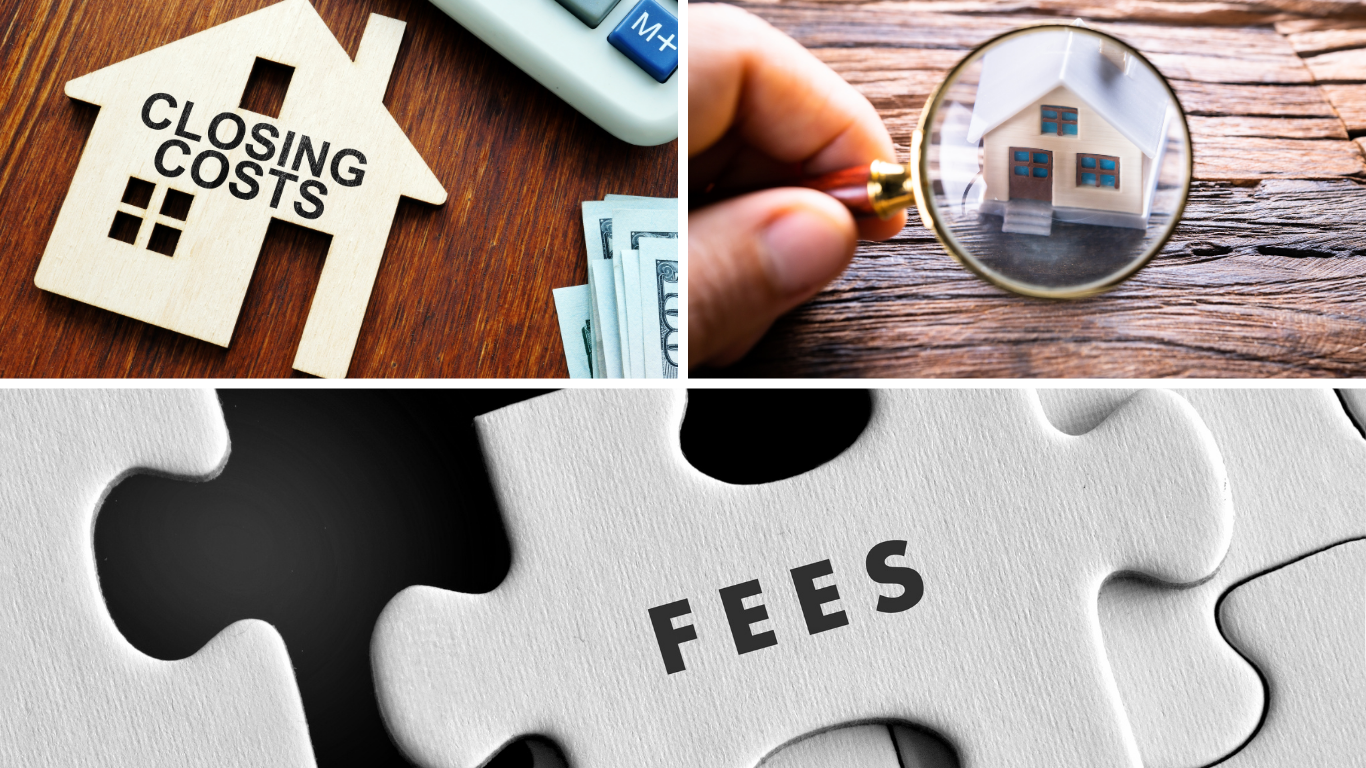
Home Inspection
A home inspection isn’t mandatory, but it’s highly recommended.
An inspection helps you understand the condition of the home, identify potential issues, and make an informed decision before moving forward.
Cost can vary depending on the size and type of property, but it’s money well spent for peace of mind.
Property Transfer Tax (If Applicable)
In BC, many buyers are required to pay Property Transfer Tax (PTT) when purchasing a home.
That said, some buyers may qualify for exemptions — such as:
First-time home buyers
Newly built homes (in certain cases)
This is something you’ll want to discuss early so you know whether it applies to your situation or not.
Legal Fees & Title Insurance
You’ll need a lawyer or notary to handle the legal side of your purchase.
This typically includes:
Preparing and registering documents
Conducting title searches
Arranging title insurance to protect against issues like title defects or fraud
These are standard closing costs and an important part of making sure everything is done properly.
Home Insurance
Home insurance is required before you can complete your purchase.
You’ll want coverage in place before possession day, and depending on the property, costs can vary based on:
Location
Age and condition of the home
Type of heating
Whether it’s rural or in town
Starting this process early can help avoid last-minute stress.
Moving Expenses (and Pizza for Your Helpers 🍕)
Whether you’re hiring movers, renting a truck, or calling in favours from friends and family, moving comes with costs.
Don’t forget to budget for:
Boxes and packing supplies
Fuel or truck rental
Food and drinks for your helpers (very important)
Property Taxes & Adjustments
Depending on when you take possession, you may need to reimburse the seller for a portion of property taxes they’ve already paid for the year. This is called a property tax adjustment and is handled at closing.
Utility Set-Up & Deposits
When you move into a new home, there may be costs to:
Set up or transfer utilities
Pay connection fees or deposits
Establish internet or satellite services (especially important in rural areas)
Maintenance & Immediate Updates
Even move-in-ready homes often come with a few initial expenses.
This might include:
Lawn equipment or snow removal tools
Minor repairs or updates
Window coverings, locks, or small upgrades
These aren’t deal-breakers — just good things to plan for.

My Advice
Extra costs are a normal part of buying a home — the key is knowing about them before you’re committed.
When you plan ahead, there are no surprises, just a smoother transition into home ownership. And if you’re unsure what applies to your situation, that’s exactly what these early conversations are for.